Car Key Replacement by Make and Model — What Actually Changes
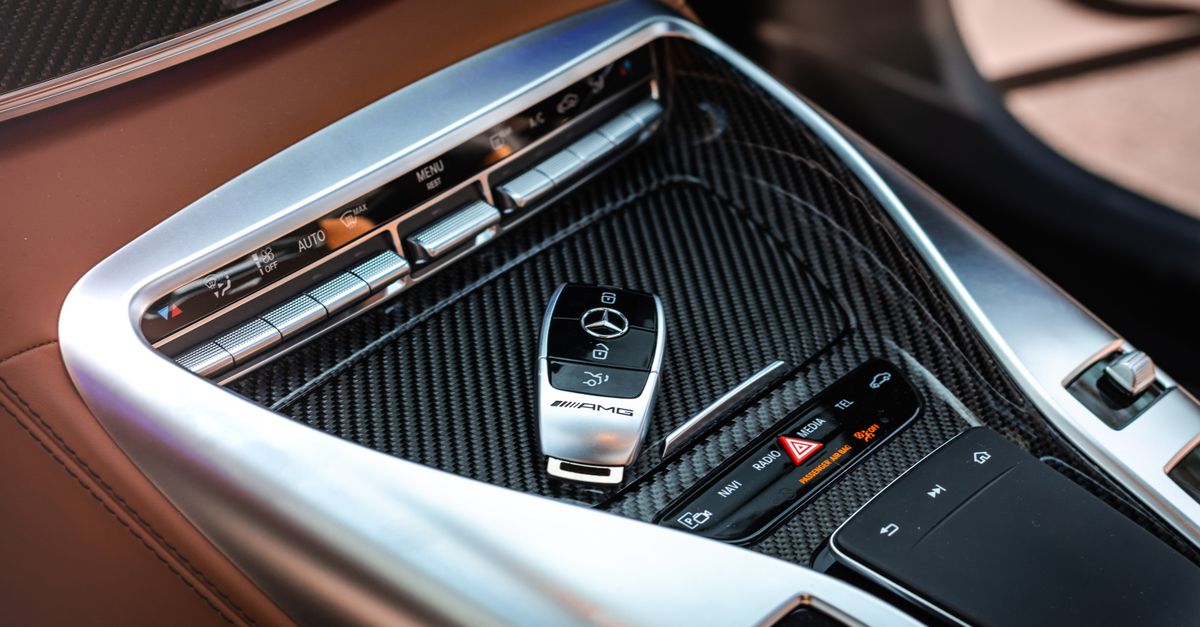
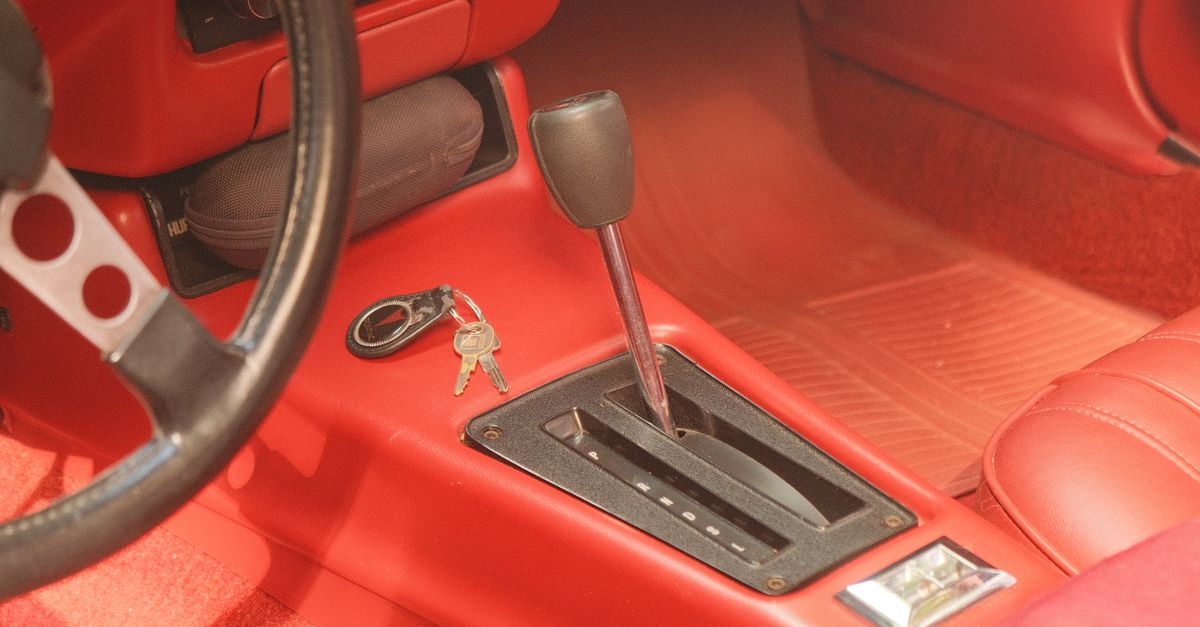
Not every vehicle key is replaced the same way, and the differences between a 2010 Honda Civic key and a 2022 BMW push-to-start fob are enormous. Basic transponder keys — common on many domestic makes from the early 2000s — require cutting a mechanical blade and then programming a small chip inside the key head so the immobilizer system recognizes it. Proximity keys and smart fobs used by Toyota, Ford, Lexus, Audi, Mercedes-Benz, and others skip the blade entirely or combine a hidden emergency blade with a wireless fob that must be enrolled through the vehicle's onboard computer. Our technicians are trained on the specific programming protocols for each manufacturer, meaning we are not guessing — we arrive knowing the exact procedure your vehicle requires.
High-security vehicles — particularly European makes like BMW, Mercedes, and Volvo — use rolling security codes and encrypted pairing procedures that demand specialized equipment. Domestic trucks and SUVs from Ford, GM, and Ram have their own PATS, PassLock, or RFID systems with distinct enrollment steps. Japanese makes such as Honda, Toyota, Subaru, and Nissan each have proprietary immobilizer logic. Our mobile units are stocked with multi-platform programming tools that cover this full spectrum, so when we pull up to your location, we are ready for your specific vehicle rather than a generic workaround.