Hinsdale Locksmith Brothers Service Team
Local locksmith team
Oct 24, 2026 12 min read
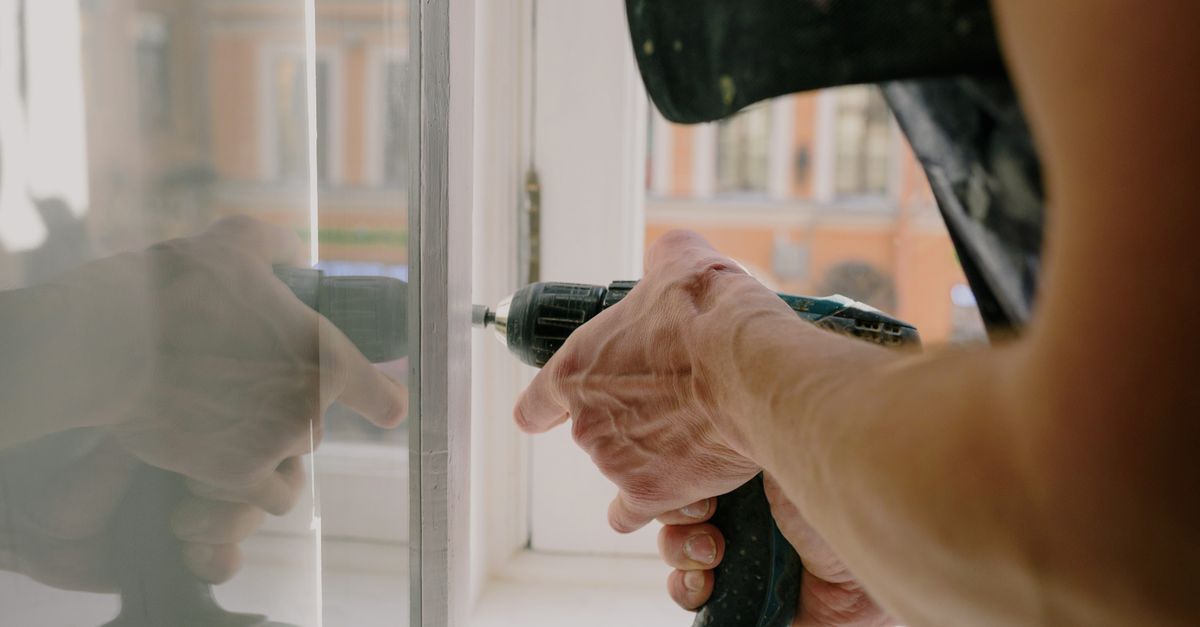
You try to pull the front door shut behind you, hear the familiar click — except tonight there is no click. The door swings back open, or the latch tongue hits the edge of the strike plate and just stops there, refusing to seat. If this sounds familiar, you are not alone. This is one of the most common calls we receive from homeowners throughout Hinsdale, from the older craftsman bungalows near Garfield Avenue to the newer construction off Ogden. The good news: a door that will not latch is almost never a sign that your lock is broken. In the vast majority of cases, the culprit is a millimeter or two of misalignment between your door and its frame.
Understanding what is actually happening — and whether you need a locksmith or a handyman — can save you time, money, and the frustration of hiring the wrong professional twice. This guide walks you through the real reasons doors fail to latch, what a trained locksmith looks for first, and exactly when to pick up the phone and call for help.
## Why Alignment Is Almost Always the Real Problem
Your door latch is a precisely engineered system. The latch tongue extends from the lock body inside the door edge, travels through the air, and must seat cleanly into a small rectangular hole in the strike plate mounted on the door frame. When everything is perfectly aligned, this happens in a fraction of a second every time. But homes move. Seasonal humidity in the Chicagoland area causes wood doors and frames to swell in summer and shrink in winter. Foundations settle. Hinges loosen under years of use. Any one of these forces can shift the door even a few millimeters out of its original plane — and that is all it takes to make the latch tongue miss its target entirely, or only partially seat, leaving the door feeling sticky, unlatched, or impossible to lock from the outside.
The lock mechanism itself — whether it is a standard door knob lock, a mortise lock, a rim night latch lock, or a deadbolt — is typically doing its job perfectly. The problem lives in the relationship between the door and the frame, not inside the hardware. This distinction matters because it changes everything about how the repair is approached. A locksmith will diagnose the hardware and alignment of the lock components; a carpenter or handyman addresses the frame, the wood, and the hinges. Knowing which you need first is half the battle.
## The Mortise Lock and Strike Plate: Where Alignment Failures Show Up First
A mortise lock is a lock body that is recessed (mortised) into a cavity cut into the door's edge. Because the entire lock mechanism — latch, deadbolt, and sometimes a night latch function — is contained in a single cartridge inside the door, mortise locks are common in older Hinsdale homes as well as in commercial locksmith applications throughout the area. When a mortise lock fails to latch, experienced locksmiths check the strike plate first. Over years of use, the strike plate can migrate slightly as screws loosen in aging wood, or the door frame itself can bow. The split spindle mortise lock variant — where the spindle is divided so that an outside handle can be keyed independently from the inside — adds one more connection point that must stay aligned for the lock to engage cleanly.
A quick diagnostic trick: rub a light coat of lipstick or chalk on the latch tongue, then close the door and open it again. The transfer mark on the strike plate shows you exactly where the tongue is landing. If the mark is even a quarter-inch above or below center on the strike plate hole, you have found your problem. In many cases a qualified locksmith can simply enlarge the strike plate mortise with a file or chisel, or reposition the plate by a few millimeters, and the door will latch perfectly again without any need to replace the lock hardware.
## Hinge Issues, Door Sag, and When the Problem Goes Deeper
If the strike plate looks well-positioned but the door still will not close, the next place to look is the hinges. A sagging door — one whose latch side has dropped even slightly — is a classic Hinsdale winter-to-spring problem as humidity causes the top hinge area to swell and then the wood to compress unevenly over time. Check whether the door sits flush in the frame when fully open. If the gap at the top latch corner is noticeably wider than the gap at the bottom, the door has sagged. Tightening hinge screws is often the first fix; if the screw holes are stripped, a carpenter can fill them with wooden toothpicks and wood glue before re-driving the screws for a solid bite.
When the problem is more advanced — a frame that has racked due to foundation movement, or a door that is genuinely warped — the job moves beyond alignment tweaks and into carpentry or even structural territory. At that point, a locksmith's role becomes advising you on what hardware will work best once the frame is corrected, and ensuring the lock mechanism itself is functioning correctly before and after the repair. If you are ever unsure whether your door's problem is hardware or structure, a quick call to our team at 630-908-5850 can help you figure out the right starting point — we answer 24 hours a day, 7 days a week, and can often diagnose over the phone before sending anyone out.
## Door Knob Lock, Rim Night Latch, and Deadbolt: Matching the Right Fix to Your Hardware
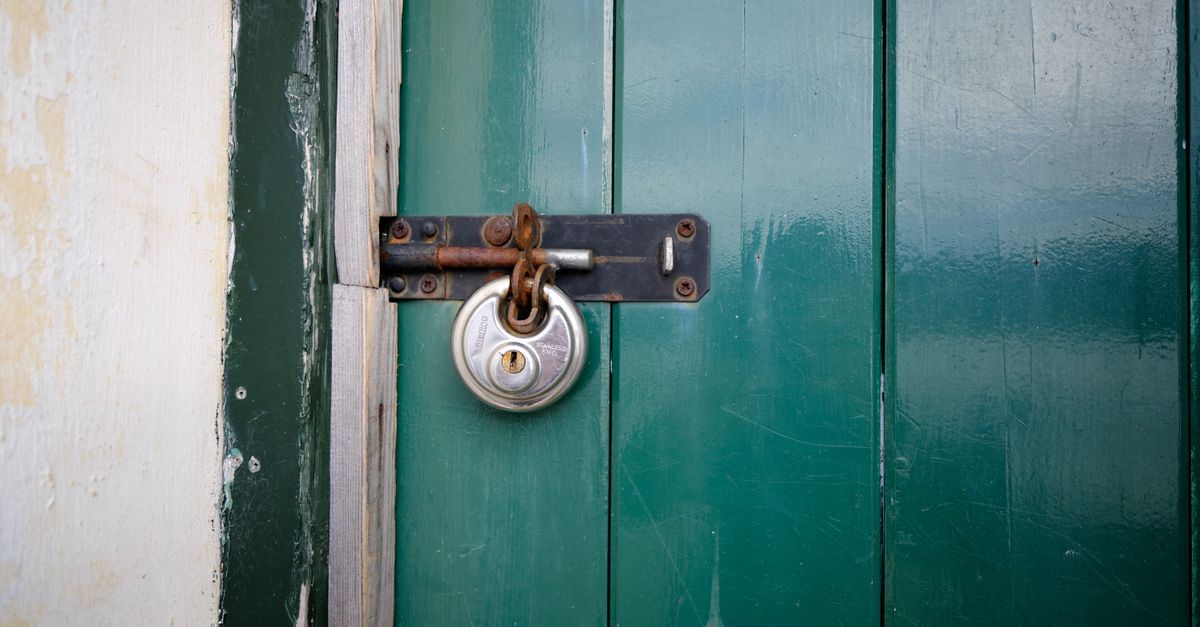
Not every door uses the same type of lock, and the alignment fix varies slightly by hardware type. A standard door knob lock (the cylindrical lock set most common in residential interiors and many exterior doors) has a spring-loaded latch that should retract and extend smoothly. If the knob turns but the latch does not retract fully, there may be a lubrication issue or a worn latch mechanism — but if the latch retracts fine and just fails to seat in the strike, alignment is the issue. A rim night latch lock — the type that surface-mounts on the interior face of the door and is extremely common in older Chicago-area two-flats and Hinsdale rental units — is particularly sensitive to frame movement because its case sits proud of the door surface and its strike is a simple lip that can easily go out of registration. A cylinder rim night latch adds a keyed exterior cylinder, meaning both the exterior key operation and the interior snib must engage correctly, making alignment diagnosis a two-step check. A night latch deadbolt rim lock combination (where a separate deadbolt is fitted below a rim night latch) doubles the number of points that must align — if one is off, the door may latch but not fully lock, or lock but feel stiff.
For homeowners who want to make it so a door knob will not lock you out accidentally — a common concern for back doors or doors to attached garages — the fix is usually behavioral (always carry a key, use a door holder) or hardware-based (choosing a knob with a privacy function rather than a keyed exterior). A skilled locksmith can swap out a keyed exterior knob for a passage or privacy function in the same visit as an alignment adjustment, combining both tasks efficiently.
## Emergency Locksmith Help in Hinsdale: Locksmith vs. Handyman — the Honest Answer
Here is the straightforward answer most homeowners want: if the latch will not engage at all, or the lock cylinder is not operating, call a locksmith first. If the door is physically binding, the wood is swollen, or a hinge is pulling out of the wall, call a handyman or carpenter first — but have a locksmith confirm the hardware is correctly functioning before the job is closed out. Many times the two trades overlap, and an experienced mobile locksmith who works residential doors daily will tell you honestly on arrival which side of that line your problem falls on. Hinsdale Emergency Locksmiths — our team specifically — handle both the hardware and the alignment of lock components as a combined service, so you are not paying a second call-out fee just to discover the strike plate needed filing.
A note on commercial locksmith work: businesses on Hinsdale's downtown strip or in the commercial corridors along Route 83 often have mortise lock sets or multi-point locking doors that require the same alignment diagnosis but at a higher complexity level. Commercial-grade mortise lock bodies are heavier, the tolerances tighter, and the strike geometry more involved. The diagnostic process is the same — check alignment before assuming the lock is faulty — but the adjustments require experience with commercial-grade hardware. Our team handles both residential and commercial locksmith calls throughout the Hinsdale area with the same mobile, on-site approach. As for cost: the final quote depends on factors like the lock type (a mortise lock adjustment versus a standard cylindrical set), time of day, travel distance, and whether any parts need to be sourced or replaced. We confirm an exact price up front before any work begins, so there are no surprises. Call 630-908-5850 anytime — our Hinsdale Master Locksmith team is available 24/7 and ready to help you get that door latching properly tonight.
## 25 Lock and Door Services We Provide Across the Hinsdale Area
Our mobile team handles a wide range of residential, commercial, and automotive needs throughout Hinsdale and the surrounding communities. Residential mortise lock installation and alignment, strike plate repositioning and enlargement, hinge-side door adjustment consultation, deadbolt installation on new and existing doors, rim night latch lock installation and re-keying, cylinder rim night latch replacement, split spindle mortise lock servicing, door knob lock replacement and re-keying, smart lock programming and setup, master key system design for multi-unit residential buildings, high-security lock cylinder upgrades, lock-out response for homeowners (ownership verification required), lock-out response for renters (with landlord or lease verification), key duplication for residential and commercial properties, broken key extraction from lock cylinders, padlock opening and replacement, gate lock and latch installation, garage side-door lock replacement, sliding door lock repair and bar-lock installation, window lock installation, commercial mortise lock body replacement, commercial deadbolt and multi-point lock servicing, access control keypad and electronic lock installation, commercial lock re-keying after staff turnover, and automotive lock-out response for cars, trucks, and SUVs throughout the Hinsdale area.
## Can a Locksmith Open Any Lock — and What About Car Door Locks?
A common question we hear is whether a locksmith can open any lock. The practical answer is: a trained, experienced locksmith has the tools and knowledge to open the vast majority of residential, commercial, and automotive locks using legitimate, non-destructive methods — but the right approach depends entirely on the specific lock, the situation, and proof of ownership or authorization. We always verify authorization before any lock is opened, no exceptions. Destructive entry is a last resort and is only used when a lock cannot be opened any other way and the situation justifies it.
Can a locksmith fix a car door lock? Yes. Automotive lock work is a core part of what mobile locksmiths do, and our team handles car door lock repair, key programming, and vehicle lock-out response for a wide range of makes and models throughout Hinsdale. Like all our services, the final cost depends on the vehicle type, the specific lock or key system involved, and any parts required — and you will always receive an exact quote before we start. Whether it is a door on your house on Symonds Drive or a car door in a parking lot off First Street, we are on call 24 hours a day at 630-908-5850.
Frequently asked questions
How much does a local locksmith charge for a door alignment or strike plate fix in the Hinsdale area?+
There is no single flat rate because the final price depends on several factors: the type of lock involved (a mortise lock adjustment is more involved than a standard cylindrical set), the time of day the call is made, travel distance to your location, and whether any parts — such as a new strike plate, longer screws, or a replacement latch — are needed. What we always do is provide an exact, confirmed price before any work begins, so you know the total before we touch anything. Call 630-908-5850 for a no-obligation assessment.
What are the requirements to get a locksmith certification in Illinois — and how do I know I am hiring someone qualified?+
Illinois does not currently maintain a single statewide licensing board exclusively for locksmiths the way some other states do. The best way to verify you are working with a qualified, professional locksmith is to confirm they are insured, can show experience with the specific type of lock or door hardware you have, and are willing to provide an exact up-front price rather than an estimate that balloons after the work is done. Ask directly about their experience with your lock type — whether that is a mortise lock, a rim night latch, or a commercial deadbolt — and trust your instincts if the answers are vague. Our team is insured and trained on a wide range of residential and commercial lock systems.
My door latches fine but will not fully lock with the deadbolt — is that still an alignment issue?+
Almost certainly yes. A deadbolt that throws but then stops or requires heavy pressure to turn fully is a classic strike plate misalignment symptom. The deadbolt bolt is larger and less forgiving than a spring latch, so even a small amount of frame shift that the latch tolerates will stop a deadbolt cold. Start by checking whether the bolt is hitting the edge of the strike plate hole rather than entering it cleanly. If so, the strike plate needs to be repositioned or the hole enlarged slightly. A locksmith can usually correct this in a single visit without replacing any lock hardware.
Is a door that will not latch a security risk, and should I call an emergency locksmith tonight?+
Yes, an unlatched or unlocking door is a real security vulnerability and should be treated as an urgent issue, not something to put off until the weekend. An unlatched door can be pushed open with almost no effort. If your door will not latch or lock properly tonight, that qualifies as a situation where calling a 24/7 emergency locksmith makes sense. Our Hinsdale team is available around the clock — call 630-908-5850 and we can dispatch a mobile locksmith to assess and fix the problem the same night.